

[Anciens] Revue de presse, Seulement les articles de la presse, aucun commentaire |

Bienvenue invité ( Connexion | Inscription )
  |
[Anciens] Revue de presse, Seulement les articles de la presse, aucun commentaire |
 20/12/2015 15:14 20/12/2015 15:14
Message
#921
|
|
 Membre habitué  Groupe : Members Messages : 2,834 Inscrit : 11/01/2009 Lieu : Toulon Membre no 337 Tribune : Canapé  |
Citation Pays-Bas : nouveau doublé pour Bartholomew Ogbeche Bartholomew Ogbeche a inscrit les deux premiers buts lors de la victoire du SC Cambuur sur le terrain de l’Excelsior Rotterdam dimanche (4-1). C’est le deuxième doublé de l’attaquant nigérian formé au PSG (31 ans) après celui lors de la victoire contre le NEC Nimègue (3-0) le 12 décembre. Il en est désormais à neuf buts en 14 matches de Championnat. Grâce à cette deuxième victoire consécutive, Cambuur remonte à la 18e place d’Eredivisie et compte provisoirement deux points de retard sur le premier non-relégable, Willem II. 
-------------------- A triunfar en buena lid defendiendo tu color.
|
 |
 
|
|
02/01/2016 20:51
Message
#922
|
|
 I hear voices in my head Groupe : Members Messages : 12,302 Inscrit : 30/06/2009 Membre no 1,123 Tribune : Non précisée |
Citation LE CORPS DE STEVE GOHOURI RETROUVÉ DANS LE RHIN Triste nouvelle en Allemagne. Le corps de l'ex-international ivoirien aux 13 sélections, Steve Gohouri, a été retrouvé ce jeudi dans le Rhin, près de Düsseldorf. Porté disparu depuis le 12 décembre, l'ancien joueur du Borussia Mönchengladbach avait assisté à la fête de son club avec lequel il s'était récemment engagé, à Steinbach toujours en Allemagne, avant d'avouer à ses amis qu'il comptait rejoindre sa famille à Paris, pour les fêtes. Malheureusement, l'autopsie d'un corps retrouvé dans le fleuve traversant le Nord de l'Allemagne a confirmé son identité, d'après le rapport de la police. Aucun signe de violence n'a été découvert jusqu'à présent. Steve Gohouri était âgé de 34 ans. sofoot.com |
|
|
|
|
28/01/2016 20:00
Message
#923
|
|
 Pilier du forum Groupe : Rédacteurs Messages : 14,560 Inscrit : 20/01/2009 Lieu : PARIS 6ème Membre no 639 Tribune : Non précisée |
QUOTE Kinglsey Coman (Bayern Munich) élu meilleur jeune joueur du monde Selon un classement de cinquante joueurs de moins de vingt ans établi par le quotidien italien La Gazzetta dello Sport, Kingsley Coman a été élu meilleur jeune joueur du monde. L'attaquant du Bayern devance Leroy Sané (Schalke 04) et Youri Tielemans (Anderlecht).Augustin est 50ème. Lequipe |
|
|
|
|
18/02/2016 03:10
Message
#924
|
|
 Légende Groupe : Members Messages : 23,824 Inscrit : 19/01/2009 Membre no 630 Tribune : Canapé |
Citation Nenê: "J'aurai pu porter le maillot du Brésil si j'étais resté au PSG" Interrogé par Globoesporte.com, l'ancien milieu offensif du PSG, Nenê, est revenu sur son départ du club parisien pour le Qatar. L'actuel joueur du Vasco de Gama a également avoué qu'il aurait pu porter le maillot de la Seleção s'il était rester à Paris: "Je suis resté longtemps en Europe, j'ai évolué pour plusieurs clubs. Après Paris, je suis allé au Qatar, il n'y avait pas de supporters. L'adaptation fut compliquée. J’étais bien physiquement, j'aurai pu continuer à Paris. J'aurai pu jouer en Seleção. Carlo Ancelotti m'avait conseillé d'être patient, de ne pas partir. Mais réellement la proposition était irrécusable. Je devais aussi penser à ma famille." http://www.sambafoot.com/fr/informations/7...te_au_psg_.html J'ai une famille à nourrir © |
|
|
|
|
20/02/2016 14:26
Message
#925
|
|
|
Membre habitué Groupe : Members Messages : 2,834 Inscrit : 11/01/2009 Lieu : Toulon Membre no 337 Tribune : Canapé |
Citation Foot - Transfert - Shanghaï Shenhua libère Momo Sissoko Arrivé au Shanghaï Shenhua l'été dernier, Momo Sissoko n'y a plus sa place après le recrutement de nombreux joueurs étrangers (D.Ba, Guarin, O.Martins...) dont le nombre est limité par la fédération chinoise. Du coup, le milieu malien de 31 ans passé par Auxerre, Valence, Liverpool ou encore le PSG a été libéré de son contrat.
-------------------- A triunfar en buena lid defendiendo tu color.
|
|
|
|
|
25/02/2016 16:54
Message
#926
|
|
 Membre habitué Groupe : Members Messages : 2,378 Inscrit : 06/11/2010 Membre no 2,076 Tribune : Non précisée |
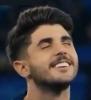
Pochettino, grosse tête et petite poche
Il y a vingt-neuf ans, Marcelo Bielsa sortait de son lit Mauricio Pochettino pour l'embarquer avec lui à Rosario. C'était en 1987, bien avant que l'ancien élève ne révolutionne le foot anglais par ses idéaux et n'amène Tottenham aux portes d'un éventuel premier titre de champion depuis 1961. En se servant des bases du travail de Bielsa pour l'adapter à sa façon. Sur un tableau noir et avec la mèche parfaite en plus.  D'un côté, une Fiat 147 modèle 1985. De l'autre, posée sur la table d'un bureau de Rosario, une carte. Pour tout prévoir, tout contrôler, signe du caractère carré d'un homme poussé à son paroxysme. Au centre du plan, des zones définies par des traits fins. Il y en a soixante-dix pour couvrir 25 000 kilomètres. Au total, le voyage se décompose en cinq étapes de 5 000 kilomètres chacune. À chaque arrêt, à chaque village, le même rituel : rencontrer le meilleur observateur en matière de football du coin. Sur la RN 33, au cœur de la province de Santa Fe, le village de Murphy et ses quelque trois mille habitants. La scène se déroule en 1987. Marcelo Bielsa, alors élève de Jorge Griffa au sein de l'académie de Newell's Old Boys, vient d'entamer un périple initiatique à travers l'Argentine pour dénicher de jeunes joueurs et leur éviter de rejoindre les grands clubs de Buenos Aires. L'autre objectif est de griller le voisin détesté de Rosario Central, institution dont le père de Marcelo, Rafael, est supporter. L'hiver est costaud, il fait froid, mais Bielsa sait ce qu'il veut et est prêt à tout faire pour l'avoir, avec le rêve assumé de reprendre l'équipe première des Leprosos quelques années plus tard, derrière José Yudica. Les jambes et la ligne La Fiat 147 de Bielsa et Griffa débarque dans la province de Santa Fe, et les deux hommes assistent avec attention aux interminables picados à travers les villages de la région. Pendant ce temps-là, Mauricio Pochettino, 13 ans, passe ses journées entre les bancs de l'école et le foot dans les rues de Murphy. Il ne peut passer sous l'œil de Bielsa jusqu'à ce que l'un de ses entraîneurs ne le recommande à celui qui est à l'époque surnommé El Cabezon, soit la grosse tête. Pochettino est alors considéré comme le meilleur gamin de la zone. Bielsa et Jorge Griffa grimpent alors en voiture, s'enfilent 200 kilomètres en pleine nuit et débarquent à Murphy à deux heures du matin. Dans l'une des rares interviews qu'il a données, il y a quelques années, Mauricio Pochettino raconte l'épisode au journal espagnol El Mundo : « Dans un premier temps, ma mère ne voulait pas ouvrir la porte, et finalement, mon père leur a offert un café. Ils ont demandé s'ils pouvaient me voir. Moi, j'étais en train de dormir. Mon père les a emmenés dans ma chambre, et Bielsa a demandé à voir mes jambes. Il a regardé et a dit : "Quelles jambes de footballeur !" » Quelques mois plus tard, Pochettino débarque à Rosario, et Bielsa a réussi son pari : le petit Mauricio n'a pas signé à Rosario Central. C'était il y a 29 ans et l'histoire a écrit une partie de la légende de Bielsa. Mais aussi un prologue de celle de Mauricio Pochettino. Car au début des années 90, les deux hommes, Marcelo Bielsa sur le banc de l'équipe première et Pochettino en défense centrale avec Fernando Gamboa, remporteront un titre de champion d'Argentine en 1991 et un tournoi de clôture en 1992. Le tout avec une équipe de cannibales affamée de titres et libérée par la folie de son entraîneur. Il y a quelques semaines, celui qui est aujourd'hui entraîneur de Tottenham et qui rêve doucement d'un titre de champion d'Angleterre en mai prochain est revenu sur cette période : « Quand on a remporté ces titres, et quand on a atteint la finale de la Copa Libertadores (en 1992, face au São Paulo de Rai et Cafu, ndlr), on était une équipe similaire à celle que j'ai aujourd'hui. Que ce soit en matière de moyenne d'âges ou sur le plan de la balance entre jeunesse et expérience de mon effectif. On avait de très bons jeunes à l'époque - comme moi - et des mecs de grande expérience. Une balance identique, un projet identique. » Voilà où en est aujourd'hui Pochettino, après dix-huit années passées sur les pelouses entre Newell's, la France et l'Espagne. Comme son maître, le jeune Mauricio est passé de l'autre côté de la ligne. « Déjà quand il était joueur, il aimait parler tactique avec moi, confie son ancien entraîneur Luis Fernandez*. Il était toujours dans l'analyse, la discussion et travailler avec des joueurs comme ça, c'est un plaisir. Il a puisé dans tous les coachs qu'il a rencontrés au cours de sa carrière et a construit un staff solide qui le suit partout. C'est sa force, avec son calme naturel. »  La révolution du 9 Il le sait et l'assume, la comparaison avec Marcelo Bielsa est naturelle. « Certaines personnes disent que je suis bielsista, mais je pense avoir développé mes propres caractéristiques et mon propre style de jeu. On est similaires sur certains points, mais complètement différents sur d'autres, même si je ne peux pas nier qu'il m'a inspiré » , avait expliqué il y a quelques années le coach des Spurs, qui a débuté sa carrière de coach en 2008 auprès de l'équipe féminine de l'Espanyol, à Barcelone. Depuis, le refrain est identique, en Catalogne, à Southampton et aujourd'hui à Londres, Pochettino a doucement amené une certaine conception du football. Sa conception, ses idéaux et sa marque de fabrique, notamment au cœur d'un football anglais qui avait besoin d'un certain renouveau. Le gosse de Murphy a gardé de Bielsa le mouvement perpétuel, la condition physique optimale et le dépassement mental. Il a installé une défense à quatre plutôt qu'une défense à trois chère à l'ancien coach de l'OM et a surtout réinventé le rôle de l'attaquant de pointe. Il suffit de poser son regard sur le jeu de Kane ou de se repasser les bandes du Rickie Lambert de Southampton pour le voir. Sur le tableau, Pochettino installe un 4-2-3-1 qui, en phase offensive, se déforme en un 4-2-4 assez net où l'attaquant de pointe décroche en permanence pour installer le mouvement et libérer les ailiers que l'entraîneur argentin affectionne particulièrement. Que ce soit Chadli et Lamela à Tottenham, ou Lallana, Davis et Ward-Prowse chez les Saints, hier. Là est toute la différence du football à la Pochettino qui tourne autour d'un pressing haut, intense et qui commence « au gardien adverse, là où Klopp le démarre sur un bloc médian étouffant » , comme il l'avait expliqué peu avant la rencontre entre Tottenham et Liverpool en octobre dernier. Mauricio Pochettino accepte la patience, l'attente et la construction, loin du style heavy metal dicté par le technicien allemand. Avec pour clé de la réussite des ailiers, décisifs dans la dernière passe, là où l'ancien entraîneur de Dortmund favorise la technique et la vivacité. Au fil des années, Mauricio Pochettino est devenu un mix où il favorise la jeunesse dans un onze type où le joueur le plus âgé est Hugo Lloris (29 ans). « C'est un sujet récurrent dans le football. On veut essayer de montrer que l'on peut réussir avec des jeunes joueurs, de bons jeunes qui ont la bonne mentalité et la faim du jeu » , détaillait Pochettino il y a peu. C'est le dernier aspect de sa conception du foot. Car sur ce point, il y a du Bielsa dans l'ancien joueur du PSG qui « passe une bonne partie de ses semaines à observer les catégories de jeunes de l'académie des Spurs » . L'œil et la méthode donc, comme le raconta en 2014 au Guardian Pablo Osvaldo, qui a connu Pochettino à l'Espanyol et à Southampton : « Il vous fait souffrir comme un chien. Sur le moment, vous le détestez comme vous n'avez jamais détesté personne, mais le dimanche, vous le remerciez, car ça marche. » Petite poche est devenu grande. http://www.sofoot.com/pochettino-grosse-te...che-217994.html |
|
|
|
|
27/02/2016 10:22
Message
#927
|
|
|
Légende Groupe : Members Messages : 23,824 Inscrit : 19/01/2009 Membre no 630 Tribune : Canapé |
Citation MOHAMED DIARRA : « J'ÉTAIS DANS LA MÊME CLASSE QUE MAMADOU SAKHO, UN BON ÉLÈVE » Après une trêve de plus de deux mois, le championnat danois reprend ce vendredi avec Odense-Aarhus. Seul représentant français (il est franco-guinéen) de Superliga, Mohamed Diarra (défenseur ou milieu de terrain) d'Odense présente ce championnat méconnu et ses joueurs à fort potentiel. Ancien capitaine de la réserve du PSG, Mohamed Diarra en a profité pour parler de sa rencontre avec Nasser Al-Khelaïfi et ses souvenirs du centre de formation avec Mamadou Sakho.  Mohamed, comment es-tu arrivé au Danemark en 2012 à la fin de ton contrat au PSG (ex-capitaine de l'équipe réserve, ndlr) ? Le recruteur d'Odense est entré en contact avec mon agent qui m'a fait part de l'intérêt du club. Au départ, je n'étais pas fan, car on m'a juste dit « le Danemark » . J'ai associé le pays au froid et au Nord (rires). Mais quand je suis venu, l'environnement m'a plu. C'était un bon endroit pour moi, pour travailler dans la discrétion. As-tu également pensé à Bernard Mendy qui a joué à Odense avant toi ? Ouais. À Odense, on me parle toujours de Bernard Mendy. Les Danois me disent que c'est « un bon gars » et qu'il « court trop vite » . Après, c'est clair, il va vite. En tout cas, ils gardent un très bon souvenir de Bernard Mendy. Le changement a dû être brutal pour toi après avoir connu l'environnement du PSG... Le truc qui m'a frappé, c'est la droiture des Danois, même s'ils sont un peu froids. Ils sont aussi travailleurs et ont plus faim dans la vie de tous les jours. Je me suis senti aussi bien intégré. Depuis quatre ans, je n'ai eu aucun souci par rapport au racisme. Les Danois aiment beaucoup la France et les Français. Ici, ça me correspond bien, car je suis calme et pas « fou-fou » dans ma tête. L'environnement est posé. Rien à voir avec Paris. Dans les stades, les supporters sont passionnés, mais cool. Ils encouragent beaucoup et sont moins agressifs. Sauf peut-être à Brøndby où on retrouve un peu l'ambiance française. Au Danemark, les supporters ne cassent pas ta voiture après une défaite comme ça arrivait au PSG. Quelle est la différence de niveau entre le championnat de France et la Superliga danoise ? Le niveau du championnat de France est plus élevé que la Superliga danoise. Il y a aussi une grosse différence de jeu. Ici, c'est plus basé sur le physique et les courses sur le terrain. Il y a moins d'équipes joueuses au Danemark. Beaucoup d'équipes ici comme Odense joueraient le bas de tableau en France, à part le FC Copenhague qui se situe plus au niveau de la dixième place de Ligue 1. Sinon, au Danemark, le championnat de France n'est pas suivi, à part le PSG. La Superliga reprend ce week-end. Qui sera favori pour le titre de champion ? Le FC Copenhague. Quels joueurs faut-il suivre pour cette deuxième partie de saison ? Qui aurait sa place dans les meilleurs championnats européens ? Au FC Copenhague, le meilleur, c'est l'attaquant Nicolaï Jørgensen. C'est sûrement même le meilleur de Superliga. Il est fin techniquement et va vite. Il a le niveau pour percer en France ou en Europe comme d'autres joueurs du championnat. Je pense aussi à l'arrière latéral gauche suédois du FC Copenhague, Ludwig Augustinsson, et surtout au milieu de terrain Youssef Toutouh. C'est chiant de jouer contre lui, car il est très à l'aise techniquement. Il est toujours en mouvement. Dès sa prise de balle, il sait ce qu'il va faire et a un temps d'avance sur son adversaire. Quels sont les joueurs qu'il faut suivre à Brøndby, au FC Midtjylland, à Odense ou Aalborg ? L'arrière gauche danois de Brøndby, Riza Durmisi, aurait sa place dans un bon club d'Europe, tout comme le milieu sud-africain Lebogang Phiri. Il y a aussi Pione Sisto au FC Midtjylland. Quel joueur ! Il est très percutant et fatigue beaucoup ses adversaires. Il est présent quand il faut être décisif. Je n'ai aucun doute pour son avenir. Je pense également au milieu de terrain Rasmus Falk qui joue avec moi à Odense (il rejoindra le FC Copenhague l'été prochain), il est très fort techniquement. J'aime aussi beaucoup Lukas Spalvis, l'attaquant d'Aalborg (meilleur buteur au Danemark en 2015/16 avec 14 buts). Il a un profil à la David Trezeguet. Il n'a pas besoin de beaucoup d'occasions pour marquer. À Aalborg, il y a aussi le milieu Nicolaj Thomsen, c'est un très bon meneur de jeu. Sinon, il y a évidemment Daniel Agger. Ça fait plaisir de jouer contre un joueur comme ça. Il dégage tellement d'assurance. Il voit avant les autres au niveau du placement. Tu as enchaîné les saisons à Odense et, en 2014, tu as eu des contacts avec Lyon et Saint-Étienne. Où aimerais-tu jouer à l'avenir ? J'aimerais jouer en Ligue 1. Cette saison, je n'ai pas été épargné par les blessures (3 matchs joués pour l'instant), mais ça va beaucoup mieux et je suis apte pour jouer la deuxième partie de saison. Revenons sur ton époque parisienne. Comment es-tu arrivé au PSG (en 2005) ? J'ai grandi en Guinée et je suis arrivé à 9 ans en France. J'ai d'abord habité chez mon oncle à Créteil (Val de Marne), puis à Bondy (Seine-Saint-Denis) où j'ai commencé à jouer au football. Mes parents sont restés en Guinée. À 13 ans, notre équipe jouait dans la même poule que le PSG et c'est comme ça que je me suis fait repérer par leurs recruteurs. Voilà comment est née mon histoire avec le PSG, où j'ai effectué toute ma formation, même si Lens était aussi intéressé par mon profil au départ. Mais mon oncle préférait que je reste en Île-de-France pour avoir un œil sur moi et me soutenir. Comment as-tu vécu tes premiers pas au PSG ? Franchement, c'était fantastique ! Au PSG, tout était bien organisé au niveau des entraînements. C'était très professionnel. J'ai été capitaine pendant toutes les catégories de jeunes, jusqu'en équipe réserve. J'y ai côtoyé Neeskens Kebano (Genk), Jean-Chrisophe Bahebeck (Saint-Étienne), Younousse Sankharé (Guingamp), Loïck Landre (Lens) ou Mamadou Sakho (Liverpool). À l'époque, Mamadou était déjà mature et responsable. C'était un vrai leader et il aidait beaucoup les jeunes. C'était un grand frère, il nous disait toujours : « Faut pas lâcher. » Nous étions dans la même classe, et c'était un bon élève, sérieux. Je ne suis pas étonné par sa carrière, car il était vraiment déterminé. As-tu également côtoyé Adrien Rabiot ou Kingsley Coman ? Oui, j'ai joué avec Adrien Rabiot en réserve. Il était cool, simple et un peu timide. Pas de problème. Il faisait son taf sur le terrain. J'ai côtoyé de loin Kingsley Coman. Je n'ai pas joué avec lui, car il était plus jeune. Il jouait en pointe, percutait beaucoup et marquait énormément de buts. As-tu eu l'opportunité de jouer avec l'équipe première ? Parfois, Antoine Kombouaré appelait des joueurs de la réserve pour s'entraîner avec les professionnels. Il me rassurait et instaurait beaucoup de discipline. J'ai joué un match amical avec les A contre une équipe du Qatar. C'était quelques mois après le rachat du club par QSI (Qatar Sports Investment). J'avais été impressionné par Nene, Jérémy Ménez mais aussi Blaise Matuidi à l'entraînement. Ça ne m'étonne pas que Blaise Matuidi ait explosé. Dès son arrivée en 2011, il avait vraiment envie de s'imposer. Il n'avait pas froid aux yeux et jouait son jeu. Les professionnels nous encourageaient dans le bon sens. Quand tu avais besoin de crampons, ils te les donnaient. Est-ce que les Qataris ne sont pas arrivés trop tôt pour toi, car Jean-Eudes Maurice ou Jean-Christophe Bahebeck ont eu leur chance avant avec Antoine Kombouaré ? Non, je n'ai pas eu de regrets, car j'avais tout donné, mais j'étais triste quand j'ai quitté le PSG, car j'y ai vécu mon adolescence. Je vivais et mangeais PSG. Mais, depuis, le club a changé de dimension. Lors de la saison 2011-12, les joueurs de l'équipe réserve du PSG avaient-ils des contacts avec Nasser Al-Khelaïfi ? Oui, nous l'avions rencontré. Il était venu au centre de formation. Il a évoqué son envie de voir grandir les jeunes joueurs du PSG et disait qu'il « comptait » sur nous, même s'il y avait des gros investissements. Il a également dit qu'il y avait peut-être le futur Lionel Messi au centre de formation. Son discours était encourageant. Il venait parfois voir des matchs de l'équipe réserve, mais également toutes les autres catégories de jeunes. Même les 13 ans. Il était aussi venu à un dîner au centre de formation. Il nous a serré la main. Il est resté simple. C'est un mec simple. En revanche, je n'ai pas côtoyé Carlo Ancelotti. Il est arrivé quand je suis parti au Danemark. http://www.sofoot.com/mohamed-diarra-j-eta...eve-218040.html |
|
|
|
|
06/04/2016 16:09
Message
#928
|
|
 Membre habitué Groupe : Members Messages : 4,025 Inscrit : 24/02/2015 Membre no 10,038 Tribune : Non précisée |
Info non officielle, Notre ami vikash dhorasoo passait devant le juge aujourd'hui parce qu'il a essayé d'enfumer les impôts. Près de 400 000€ de gains de Poker qu'il essayait de faire passer pour un loisir amateur. Bon il ne s'est pas pointé à l'audience.
-------------------- " C'est la même raison pour laquelle Rudolf Hess a été épargné. On abat pas un cotorep. On abat celui qui lui a donné des responsabilités. " @Le Trépied
|
|
|
|
|
25/04/2016 20:43
Message
#929
|
|
 Dieu tout-puissant Groupe : Members Messages : 53,524 Inscrit : 30/12/2008 Membre no 60 Tribune : Canapé |
Citation Foot - L2 - Brest - Le Guen en pole pour entraîner Brest (L2) Le club finistérien, qui va changer de présidence, prépare aussi la succession d'Alex Dupont sur le banc. Et Paul Le Guen est le mieux placé. Comme révélé dans notre journal le 18 mars, Paul Le Guen figure parmi les techniciens approchés par le Stade Brestois en vue de la saison prochaine, en compagnie notamment de Christian Gourcuff et d'Olivier Guégan. Depuis, Guégan a été limogé par Reims et il est intéressé par le projet finistérien, tandis que Gourcuff, également convoité par Rennes et Nantes, n'a toujours pas donné de réponse. Mais c'est bien Paul Le Guen qui est le mieux placé pour prendre la relève d'Alex Dupont sur le banc brestois, puisque l'ancien joueur de Brest, formé au club et proche d'un des actionnaires, a rencontré pour la troisième fois des dirigeants bretons en fin de semaine dernière.Le Guen (52 ans), libre depuis son départ d'Oman en novembre 2015, s'est entretenu vendredi dernier avec le futur président du SB 29, Denis Le Saint, qui succèdera officiellement à Yvon Kermarec au mois de mai. Selon nos informations, les bases d'un contrat de deux ans ont été discutées mais l'entraîneur a demandé des garanties en termes d'effectif. Brest traverse une saison décevante et stationne actuellement à la dixième place de L2, mais le futur président veut donner une nouvelle impulsion, qui passe par un nom prestigieux sur le banc. Un autre rendez-vous avec Paul Le Guen est prévu en fin de semaine afin de poursuivre les négociations.  |
|
|
|
|
20/05/2016 20:49
Message
#930
|
|
|
Membre accro Groupe : Members Messages : 7,174 Inscrit : 27/10/2014 Membre no 9,949 Tribune : Non précisée |
2 entretiens avec Ancelotti parus dans le Financial Times. Google translate est l'ami des non-anglophones.
Citation January 17, 2014 12:01 pm Interview: Carlo Ancelotti By Simon Kuper The manager of Real Madrid talks about handling the pressure, the players and the demanding billionaire owners “I have a lot of power,” grins Carlo Ancelotti, manager of Real Madrid. “Here I can decide: training at six in the morning! Training 11 in the night! But my style is not to impose. I would like to convince the players of what they are doing. This takes more time.” We are sitting in the coaches’ office at Madrid’s spiffy new training ground, just north of the city. The Italian, his chubby frame bulging out of a bright blue Madrid tracksuit, is puffing on a cigarette, confident that the club president isn’t about to walk in and catch him smoking, as happened at a previous club. Florentino Pérez, Madrid’s president, mostly leaves his head coach alone. Ancelotti landed in Spain last summer, his fourth country in four years after jobs at AC Milan, Chelsea and Paris Saint-Germain. Though he’s much lower-profile than peers such as José Mourinho and Arsène Wenger, Ancelotti has won football’s biggest prizes. Now his task is to win Madrid the Champions League, its record 10th – the mythical la decima. There is nobody better than this international crisis manager to explain how to handle superstar players (currently Cristiano Ronaldo and Gareth Bale), difficult club presidents (previously Silvio Berlusconi and Roman Abramovich) and hysterical media. Here are the management secrets of a nice guy. To gather them, I have got a lift from Madrid’s airport with Paul Clement, Ancelotti’s assistant manager. The burly English former gym teacher met the Italian at Chelsea, and is tipped for a solo managerial career soon. Clement’s car purrs through the soft winter sunshine to the training ground, where even on this quiet afternoon a couple of dozen journalists, television cameras and autograph hunters are waiting by the gate for something to happen. Yet inside the training ground of the world’s richest club, life feels tranquil. Everything possible has been done to keep the hysteria outside the gate. Clement parks opposite a gleaming white Batmobile-like sports car belonging to Bale, the Welshman whom Real bought from Tottenham Hotspur last summer for a world-record fee of more than £85m. The main building is almost empty. In the coaches’ room, Ancelotti’s son Davide, a polite, slender young man who works on his father’s staff, is reading the pink Italian daily La Gazzetta dello Sport. The surrounding hillsides have gone a wintry brown but outside the window of the coaches’ room a dozen groundsmen are tending Real’s impossibly green practice field. Ancelotti keeps his staff happy: the previous evening, he took 50 colleagues to the Basque restaurant Mesón Txistu and picked up the bill himself. Today Ancelotti distributes excellent espressos, sits down and lights up. His mobile phone vibrates frequently but he ignores it. Talking slowly in his serviceable English, sometimes doodling with a green pen, he exudes an unhurried calm. “Carletto”, the farmer’s son from Emilia-Romagna, has spent his adult life in pressurised environments. A canny midfielder in Italian football, he learnt leadership from his coaches, notably the Swede Nils Liedholm, who managed him at AS Roma in the 1980s. “When we played in the north, we wouldn’t go by plane, because he was afraid of flying,” says Ancelotti. “We took a train, from Rome to Milan. The train left Rome at midnight. But Liedholm went to bed early! So he would get on the train at 9.30pm and go to sleep at 10. The players would get on at midnight and not sleep. The worst preparation!” On match day the team would get to the stadium hours early and hang around the changing room. To relax the players, Liedholm would get Roma’s doctors to tell jokes. Later, as coach, Ancelotti usually did the pre-match jokes himself – even before Champions League finals. He knows a truth about top-level football: most players don’t need to be motivated. They need to be calmed down. From Liedholm he learnt how to treat players as adults. Other coaches taught him how not to do it. Ancelotti remembers: “I had managers who said, ‘You have to do this because I tell you to.’ I didn’t understand this. I cannot be – come si dice? – authoritarian.” In 1987, when Ancelotti was 28, already with ruined knees, Milan’s coach Arrigo Sacchi brought him north. Sacchi saw him as an on-field “conductor of the orchestra”, a midfielder without pace or exceptional skill but with a football brain. “Usually the most intelligent player is a midfielder,” Ancelotti says, and lists the cleverest he has managed. “I could say [Andrea] Pirlo, I could say Xabi Alonso, Thiago Motta, Didier Deschamps. All midfielders.” Ancelotti provided much of the intelligence of the “Grande Milan” that won two European Cups playing perfectly orchestrated attacking football. When he entered coaching in 1992, he was a believer in Sacchi’s 4-4-2 formation. He says: “In my experience, it was the only way to play football.” Nils Liedholm©PA The joker: Ancelotti learnt the value of pre-match jokes from AS Roma coach Nils Liedholm He became Sacchi’s assistant manager with Italy’s national team, then joined Reggiana in his home region. Though the club was tiny, he initially found the stress of management almost unbearable. “I said at the end of the first year, ‘I do this three or four years, and after this, holiday.’” Chuckling, he quotes Liedholm: “The coach has the best job in the world, with the exception of the matches.” But gradually Ancelotti learnt to live with the pressure, to the point where he now claims: “My ass is earthquake-proof.” The knowledge that he can be sacked any day no longer eats at him. Nowadays he even enjoys matches. After Reggiana he coached Parma. There he had the chance to sign the “divine ponytail” Roberto Baggio. But Baggio wanted the role of playmaker, or “number 10” – a position that didn’t exist in Sacchi’s system. Ancelotti recalls, “I said, ‘No, you have to play striker.’ Baggio went to another club. That year Baggio scored 25 [actually 22] goals – for Bologna! I lost 25 goals! Big mistake.” The incident changed Ancelotti’s thinking: no system, he decided, was more important than the players. He became adaptable by conviction. He joined Juventus, and then Milan. Managing Berlusconi’s club entails managing Berlusconi. Ancelotti – who in his autobiography jocularly calls Berlusconi “He” with a capital H – did this masterfully. He grasped the key fact: since Berlusconi owned Milan, the coach’s job was to please Berlusconi. Ancelotti says: “The tradition at Milan is to play a good style of football – differently from Juventus, where the most important thing is to win. When Berlusconi bought Milan, it was this.” Accordingly, Ancelotti constructed a very attacking line-up. “This was the only reason to play Pirlo, Seedorf, Rui Costa, Kaká, Shevchenko at the same time.” Here was another discovery: no system is more important than the club president. Many managers tolerate no intrusion from their chairmen but Ancelotti let Berlusconi tell the jokes in the changing room. Before Milan played Juventus in the Champions League final of 2003, Ancelotti even allowed Italy’s then prime minister to sit in on his team talk. Carlo Ancelotti©Contrasto/Eyevine Ancelotti the player: a midfielder with a football brain “I handed out sheets of paper with the formation and the plays,” wrote Ancelotti in his autobiography. “He wanted copies for himself. (Later I saw them published in a book by Bruno Vespa; the chairman passed them off as his own…).” Ancelotti recounts all this with humour but indulging Berlusconi was an essential career move. Better yet, Milan beat Juve on penalties. Ancelotti became one of just six men to win the Champions League as both manager and player. . . . In 2005, in Istanbul, he lost the trophy to Liverpool in an unforgettable final. Milan led 3-0 at half-time, then conceded three goals and lost on penalties. Yet later that night, a relaxed Ancelotti could be seen sitting in the hotel bar, chatting cheerily with acquaintances about the sights of Istanbul. He’d done his work. Now he was off duty. Looking back, he says: “The team had done the maximum to win this game. So I couldn’t be angry. I think this was destiny.” Anyway, he adds, “Football is the most important of the less important things in the world.” He says he has no regrets about Istanbul: “What can you do when in six minutes they score three times? It’s impossible to change something, because there is no time. I was a manager for 800 games in my career. If I had to choose two games that my team played really, really well, it would be this game. Another was the semi-final in 2007 against Manchester United.” The smartest guys on the pitch ‘Usually the most intelligent player is a midfielder. I could say [Andrea] Pirlo, I could say Xabi Alonso, Thiago Motta, Didier Deschamps. All midfielders’ In 2007, after Milan had reached the final again, Milan’s squad gathered around a big screen at their training ground to cheer on Liverpool in the other semi-final against Chelsea. “We were shouting and howling against Chelsea,” says his autobiography. “Liverpool team hats and toy trumpets were pulled out at one point.” The cheering worked. Liverpool beat Chelsea, and in the final in Athens, Milan got their revenge for Istanbul, winning 2-1. Afterwards Ancelotti and the players told jokes all night, trying to fix the victory in their minds forever. At multinational Milan, Ancelotti learnt to coach players from everywhere. Once he had to brief his squad on a practical joke being prepared at the expense of newcomer Mathieu Flamini. “First you tell the Italians, in Italian,” he recalls, “then you tell the Brazilians, in pseudo-Italian, and then you tell Beckham, with grunts and gestures.” (Like most Ancelotti jokes, this one is told fondly: Beckham is a friend.) The cross-cultural skills would come in handy. Ancelotti had dreamt of staying at Milan for ever but Berlusconi reduced funding, the team declined and in 2009 Ancelotti joined the exodus of highly skilled Italians fleeing a bad economy. Chelsea’s owner Abramovich had hired his combination of people skills and tactical nous. Ancelotti remembers: “The first time I met Roman Abramovich he said, ‘When I see Chelsea, I don’t recognise it is Chelsea – the identity, the style of play.’” Ancelotti’s job was to give the team an identity. In London, he says, “The only problem was the language. Difficult to speak, difficult to show emotion. But the team was organised.” Chelsea won the Premier League in 2010 and then went into the FA Cup final against Portsmouth aiming for the league-and-cup “double” – a feat the club had never achieved. . . . Before the final, Ancelotti did something unusual: after naming the starting 11, he asked them to decide the match strategy themselves. He recalls: “Everyone said one thing. For example, [goalkeeper Petr] Cech said, ‘You have to control the space behind, to avoid the counter-attack.’ That season we played 60 games, and 60 times I made the strategy. So I think the players understood very well what they had to do.” Mistakes: At Parma, Roberto Baggio wanted the role of playmaker. “I said, ‘No, you have to play striker.’ Big mistake!” Baggio went on to be a top goal-scorer for rivals Bologna Still, why try something so risky before a crucial match? “I was sure the players followed the strategy, because they made the strategy. Sometimes I make the strategy, but you don’t know if the players really understand. Sometimes I joke with the players: ‘Did you understand the strategy?’ ‘Yes, yes!’ ‘Repeat, please!’” Chelsea beat Portsmouth 1-0 to complete the double. Ancelotti has often contrasted his own flexibility on tactics, his lack of ego and his chilled manner with a manager who could be the anti-Ancelotti: Mourinho. When Ancelotti’s Chelsea played Mourinho’s Inter Milan in 2010, Ancelotti reports in his autobiography, “We met in a corridor at the San Siro [stadium] and we made a pact: no more bickering, no more controversy. Six words, a handshake, and in 10 seconds we had an understanding.” After Chelsea won the English league, Mourinho texted Ancelotti: “Champagne.” After Inter won the Italian league, Ancelotti texted back: “Champagne, but not too much.” Nonetheless, Ancelotti’s autobiography ironically invokes Mourinho as “the Great Communicator, He who Knows, the Lord of the Press Conference, the Immense Provocateur, the Special Coach” etc. This, by contrast, is his self-description: “Here comes the fat boy with a bowlful of Emilian tortellini.” No manager lasts long at Chelsea. In 2011 Paris Saint-Germain’s new Qatari owners lured Ancelotti to France. There he encountered a new set of national peculiarities. He says: “The problem of the English player – sometimes it’s difficult for them to understand that they don’t have to work 100 per cent in training. There are some training sessions where it’s important not to work 100 per cent. The French don’t understand why they have to work 100 per cent every day.” Paris wasn’t professional enough. “PSG was a good experience because it was the first time in my experience to build something new. It’s different to arrive at Chelsea or Real Madrid, where you have already a good organisation of the club, a good team. At PSG you have to build everything from a low, low level,” and he rubs his hand over the table to indicate ground zero. Some past club executives have accused him of being lax with players but in Paris, Ancelotti was interventionist. The language barrier: 'First you tell the Italians, in Italian, then you tell the Brazilians, in pseudo-Italian, and then you tell Beckham, with grunts and gestures' The team was divided into ethnic factions. “We had the South Americans, the French, the Italians,” he says. “The relationship is not easy. The South Americans like to play with each other. The Italians the same. The players were not used to having a winning mentality. Training was at 11am usually. The players were used to coming at 10.30am, training – and at 12.30pm, 1pm, to leave the training ground. To change this was not easy, to tell them: ‘You have to stay after training, to eat properly, to drink properly, to rest.’ You cannot miss one day. It was important to have [Zlatan] Ibrahimovic, the best player with good professionalism. He was a model for others to follow in training sessions, because he concentrated every time. We took six months to have results.” In 2013, PSG became French champions for the first time since 1994. Almost immediately, Ancelotti was off to Madrid. In the small world of top-class football, Pérez had been greeting him for years with the words: “Carlo, someday you will be my coach.” In 2006, Ancelotti had even signed a contract with Madrid but Milan hadn’t let him go. Last summer the time came. Madrid needed an antidote to Mourinho. The Portuguese had coached Real for three years, imposing his characteristic defensive football and trying to crush uppity players. Abiding by the San Siro pact, Ancelotti will not criticise Mourinho but he does say of his own task at Madrid: “The goal is to play football a little bit differently, because the culture of this club is to play” – he blows out his cheeks, searches for the right word – “spectacular football. The supporters here are exigent. They don’t like to see counter-attack. They like to see a team that has control of the game, with possession. We are trying to follow the history, the tradition of the club.” One thing that makes Ancelotti attractive to big clubs is that in a profession dominated by big egos, he is happy to adapt to his surroundings. In each new country, he looks for little differences. “In England, in general, teams have less tactical skills defensively,” he says. “In France, the teams are hard, physically, because there are a lot of African players. And in Spain, teams have the pleasure to play football. You have to adapt your methodology to these differences.” Adapting when moving countries sounds obvious but many players and managers cannot do it. “It’s not easy,” says Ancelotti, “above all for players that leave England. I think of Ian Rush, Michael Owen.” The Welsh striker Rush returned from a bad year in Italy in 1988 complaining, “It was like another country.” Likewise, Owen left Real Madrid after a year, homesick for English food and weather. The £85m man: Welshman Gareth Bale, Madrid’s recent record-breaking signing, is adapting well. “He is a humble man,” says Ancelotti So how is Gareth Bale adapting to Madrid? “Bale didn’t have a lot of problems, because he is a humble man, not very demanding. He doesn’t want too much.” Can he speak any Spanish? “He is starting to speak. My job is to help him be comfortable on the pitch, comfortable with teammates. We have a lot of players that speak English.” One of them is Cristiano Ronaldo. The Portuguese is Madrid’s best player but hardly an easy-going guy. Ronaldo wants Madrid to play the way he wants. How does Ancelotti manage such a big talent? “For me, it’s managing people. Managing Ronaldo is the same for me as managing Carvajal or Morata [two of Madrid’s more junior players].” In fact, says Ancelotti, superstars tend to be easier to manage because “usually they are more professional than the others. Ronaldo is really professional.” Ancelotti blows out his cheeks in admiration. He’s thankful not to have to police his star. “I don’t like to control the private life of the player, because I’m not the father, I’m not the brother.” Footballers are much more professional nowadays, Ancelotti says, than when he played in the 1980s. The average player today “controls more his private life, his style of life”. And the average player today eats less pasta. Under Liedholm at Roma, Ancelotti marvels, “We arrived at the hotel before a match and everyone could choose from the menu! There was no diet. When I played, the feedback was: the best training was, the day afterwards you wake up with pain in your legs. If you were not able to go upstairs, it means that was fantastic training!” He guffaws. Nowadays players wear GPS devices in training, and physical trainers calibrate the right workload for each player day by day. Today’s disciplined professionals don’t engage in power struggles with managers, says Ancelotti. Has he ever had a player he couldn’t work with? “No.” Or a player who couldn’t work with him? “No.” He puffs on his cigarette. Madrid’s players are obedient, and smart enough to adapt even if he changes formation mid-match: “When you manage top players, they understand quickly.” Xabi Alonso in particular is practically a coach on the field. Madrid have wonderful players, and the highest revenues of any club in any sport in history (€521m last year). So why haven’t they won the Champions League since 2002? Ancelotti dodges the issue with another chuckle: “I don’t know. This is a question even the club is asking itself. In 10 years they didn’t reach the final. This is a little bit strange. But they played three semi-finals in a row. This is not bad.” Ancelloti with Silvio Berlusconi©AFP The president problem: There is no one better than this international crisis manager to explain how to handle difficult club owners such as Roman Abramovich and Silvio Berlusconi To make Madrid’s wait even more irksome, Real’s next Champions League would be its record 10th. Ancelotti is tasked with delivering la decima, starting with the round-of-16 encounter with Schalke of Germany next month. Oh, and Real must also win the Spanish league, in which they currently stand third. How does Ancelotti cope with the daily pressure? “Because I have experience of this world… I’m not so depressed when the result is not good, I am not so happy when results are good. I don’t feel there is a lot of pressure on my shoulders because I love this job. The pressure on a manager is normal.” Then he walks me to reception and arranges my taxi. One of his predecessors in Madrid’s hot seat, the Dutchman Guus Hiddink, whom Ancelotti resembles in girth and tranquillity, once explained how any manager in Spain should deal with the inevitability of being fired. “Finiquito” is what Spaniards call it. In Hiddink’s telling: “Being sacked isn’t considered a disgrace here. It goes like this: you’re called in to see the club president. ‘Mister,’ he says, ‘mister, it’s better if you don’t continue.’ He hugs you, and says, ‘Go see the treasurer tomorrow.’ The next day you go see the treasurer, you get your cheque, you go to the corner of the street and you’re given a suitcase full of money. Boom, done in one go. In Spain you’re killed romantically.” No doubt Ancelotti will eventually experience finiquito – perhaps after winning la decima, more likely before. He won’t treat it as a disgrace. It will be just another anecdote to serve up to old friends over tortellini one evening in Emilia-Romagna. Then he’ll get another top job, because few other leading managers are internationally adaptable nice guys who can rub along with everyone from Ronaldo to Berlusconi. . . . Ancelotti: The career Reggiana 1995-96: Begins his club coaching career Parma 1996-98: Returns to the club as manager, having played there in the late 1970s Juventus 1999-2001: His sacking is announced halfway through the last league game of the 2001 season Milan 2001-09: Becomes one of only six people to have lifted the European Champions Cup as both player and manager Chelsea 2009-11: Completes ‘the double’, winning the Premier League and the FA Cup Paris Saint-Germain 2011-13: Wins the French League Real Madrid 2013- . . . Star players:‘I don’t like to control the life of the player, because I’m not the father, I'm not the brother’ The method Mike Forde was Chelsea’s director of football operations when Ancelotti coached the club from 2009 to 2011. Here is his analysis of Ancelotti’s leadership style: ● The Italian, says Forde, practises “servant leadership” – he gives people a say in designing the strategy and vision. That gives them a stake in the process and increases their commitment to him. ● Ancelotti can listen. He stays “in the moment” with people. Forde says: “No interruptions, no outbursts, just a very calm and considered guy. People enjoy talking with him and therefore feel comfortable volunteering personal information about themselves.” This helps him manage them with less conflict. ● Ancelotti takes the situation seriously but not himself, says Forde. By not showing the pressure he is under, he protects others from stress. ● Many leading coaches have well-tried operating models that have brought them success. They are accordingly reluctant to change methods. Ancelotti has remained humble and curious enough to keep adapting and learning. Citation Lunch with the FT: Carlo Ancelotti Janan Ganesh The food-loving Italian talks about managing galactic egos and how big businesses like his new club Bayern Munich can still be a family Illustration by James Ferguson of Carlo Ancelotti©James Ferguson “German is the hardest language.” Bavaria-bound Carlo Ancelotti remembers the relative doddle of English, Spanish and French when he grapples with the snaking compound nouns of his new home. “And the verbs,” he groans, “sometimes they go in the second position in a sentence, and then again at the end.” He puffs out his cheeks and — there it is — raises the arced left eyebrow that is the most celebrated feature on his Federico Fellini face. Even in the bland livery of successful men — navy jacket, tieless pale-blue shirt — the 56-year-old Italian football coach is distinctive enough to obviate any need for a caricature. This summer Bayern Munich joins Juventus, Milan, Chelsea, Paris Saint-Germain and Real Madrid as the sixth European super-club to submit to his leadership. He will arrive from Vancouver — where he has a home with his Canadian wife, Mariann — and he will win major prizes. We know this because he always does. The hand that shakes mine at Babbo, an Italian restaurant of his choosing in Mayfair, has lifted the Champions League trophy three times. It is a record in the modern history of Europe’s highest competition. He has prospered in four countries. Steeped in glory, loved by players for his light touch, he is probably the most coveted coach in the world. He is also the only one you can imagine choosing a club by the local restaurants. Food plays the cameo in most Lunches with the FT but Ancelotti, a gourmand, makes it central to this one. My resolve to order lightly — I usually avoid daytime eating altogether — melts in the glare of his keenness. We ask for some starters to share, of which the best-judged is a baked aubergine melanzane with a layer of cheese that knocks the adjacent plate of burrata into apologetic irrelevance. “You like Italian food?” he checks, and I nod, deciding not to sell him on the superiority of Spanish. Babbo is technically superb but very Mayfair. Four old women in pearls and taffeta sit near us, two hedgies of indeterminate nationality squint at my guest between mouthfuls from the other side of the room. I give him the name of an edgier trattoria in Islington and he rolls it around his mouth a few times as if committing it to memory. This is a man who titled his autobiography Preferisco La Coppa, which declares an ambition for trophies and a taste for ham in one three-word pun. Italians can be unswervingly faithful to the produce of their region but Ancelotti, who grew up in Emilia-Romagna in the north, veers as far as next-door Tuscany for his wine. He summons a bottle of Guidalberto — “I don’t need to try it, I know this wine” — a blend of Cabernet Sauvignon and Merlot that mimics the strength of claret without zapping you into a thousand-night coma. For Ancelotti, football clubs are either “families”, such as AC Milan, or “companies”, of which Juventus is a purring example. With his genial style, his cultivation of personal bonds with players and directors, it is clear which he prefers. Silvio Berlusconi ran Milan as a patriarch, involving himself intimately with technical matters. The Agnelli family, which still owns Juve, preferred to put systems in place and keep itself in reserve for strategic judgments. As he raises his glass, I ask him to categorise Bayern. “I have not had so many meetings with them but I think it is a family,” he says, perhaps sanguinely of an institution that is part-owned by Audi, Adidas and Allianz. “They have former players on the board. The club is 70 per cent owned by members.” It is certainly corporate in its ruthless pursuit of players. I wonder who he rates among the nascent talents of world football and that eyebrow vaults up again. “I cannot tell you on the record because the price will go up,” he says, before naming teenagers from France and Brazil, even taking out his phone to show me the latter. “Don’t tell Arsène Wenger!” He is more candid about the established greats he has already managed. There is special affection for Cristiano Ronaldo, a self-motivating near-cyborg who took 3am ice baths in Real Madrid’s training complex. “Even though he had Irina Shayk waiting for him at home!” Ancelotti yelps, referring to the Portuguese’s former lover. “He does not care about money, he just wants to be the first” — meaning the best. Other favoured sons include Andrea Pirlo, who played the midfield role Ancelotti himself held down for Milan and Italy in the 1980s, and the country’s decorated goalkeeper Gigi Buffon (“I found him at 17 in the Parma academy”). We have both ordered the lobster main course. The dish turns out to be a filleted hunk of the crustacean atop a morass of tagliolini. Like all the best pasta, it is moreish for reasons of texture rather than taste. Having no potent flavour to vie with, Ancelotti’s choice of wine suddenly comes into its own. It is as though he does this a lot. . . . Before our lunch, I tested Ancelotti’s name on friends who care little or nought for football but know their José Mourinho from their Pep Guardiola. Most had never heard of him. Two assumed I meant Claudio Ranieri of Leicester City. One knew the name but could not place the face. His lack of cut-through — which, like all things in life, fails to trouble this equable soul — owes everything to the brand of quiet leadership that is also the name of his new management book. Babbo Most elite coaches today are incendiary. There is Diego Simeone at Atlético Madrid, with his bandit chic. Liverpool contains, just about, the white heat of Jürgen Klopp’s enthusiasm. Guardiola is bringing his Rasputin intensity from Bayern to Manchester City. Ancelotti has none of this. “My character is quiet,” he says quietly. “It is because of my family. My father was quiet. He never shouted. He never kicked me. My mother also. That is the fundamental reason.” His book describes a manager who nudges more than he pushes, often going along with conclusions reached independently by his players instead of mandating his own. Leaders within a squad are, he believes, “chosen by the group, not the manager or the president”, and the Dutchman Clarence Seedorf was one of these natural characters at Milan. During his time there, Ancelotti had to cram a galaxy of talent into four midfield positions. With gentle shepherding from him, the players thought themselves into the “diamond” formation — with Pirlo at its base, the Brazilian Kaká at its tip, and Seedorf and Manuel Rui Costa, a lavishly gifted Portuguese, either side — that gleamed on the European stage. Between sips, I ask whether he feels under-exalted, at least outside the game’s cognoscenti. “You have possibilities to be angry every single day,” he says. “But the happiness is not in the credit, it is in the work, in the relationship with the players, with the staff. I don’t worry what they put in newspapers.” Lots of people in public life say that last sentence. Ancelotti means it. If anything, obscurity means privacy, especially in Canada. Even after decades in the Italian countryside and Europe’s great cities, he is thrown by Vancouver’s gorgeous setting. “The beach, the mountains . . . ” He does not take material comfort for granted. The Ancelotti family worked, but did not own, the farm on which he was raised, turning out slabs of Parmesan cheese to a grateful world. Rural life left him with a discriminating palate (he has a mental map of Italian restaurants worth a damn in London, Paris, Vancouver and Madrid) and a dialect that can stump his own countrymen. Football-barmy in the Italian way, he launched his career as a tactically astute midfielder at nearby Parma. From there he went to Roma, in the capital, which could have been Saturn for this country boy. A knee injury put him out of the 1982 World Cup that Italy won but no bitterness lingers, just gratitude for a career that survived. “You are 23 and you don’t know if you can play again,” he recalls with a wince. “The physical therapy was terrible in those days.” In 1987, Ancelotti made the move that changed his life. A figure of fun called Arrigo Sacchi brought him to Milan. Until then, Italians had favoured a defensive mode of play called catenaccio. “It means this,” he says, tapping the lock on a door next to our table. Sacchi smashed convention by drilling his players to challenge for the ball — or “press” — high up the field, forcing opponents into errors and exploiting them with a lethal batch of imported forwards such as the Dutch great Marco van Basten. Ancelotti was the point of fixity in this swarm, which dominated Europe and still inspires modern coaches. Sacchi turned out to be no joke. His pressing game is visible today from Liverpool to Munich. Some of the most in-demand players are midfielders who seldom score or assist but have the sangfroid and close-control to retain the ball under intense pressure. Clubs have upgraded their fitness and conditioning regimes to sustain the physical effort Sacchi-ism demands. As a player at Milan, Ancelotti served as an on-field conduit for these visions. A deep-lying midfielder must think systemic thoughts about the game, like a coach. After a season or two in the position, a future in management is virtually hard-wired. Not coincidentally, Simeone and Guardiola mastered versions of the role as players. Sure enough, after helping Sacchi steer Italy to the 1994 World Cup final, Ancelotti returned to his roots to start his own coaching career: first with Reggiana, then Parma. I wonder who he rates among the nascent talents of world football and he names teenagers from France and Brazil. ‘Don’t tell Arsène Wenger!’ Success took him to Juventus and the lofty echelon of clubs from which he has never stooped since. There was Milan, where he clinched two of his Champions Leagues and assembled that luminous midfield. Then Chelsea, where he won the league and cup double in his first season. Then Paris Saint-Germain, where he won the league and imposed professional standards on a club that had more ambition than know-how (“There was no restaurant for the players”). And then, two years ago, la decima — a tenth Champions League for Real Madrid, and a hat-trick for Ancelotti. No tactical revolutions, no psychological ploys, no memorable quotes, just frictionless success in all of Europe’s major leagues. There is no record quite like it. Zlatan Ibrahimovic, a player who surrenders compliments as though they singe his throat, says Ancelotti is the best coach in the world. On the subject of galactic egos, how does a quiet man bend them to his will? “There are things where you can be elastic,” he explains, “and things where you must be strong. If the players say ‘Coach, we have a tough week, can we stay in bed one more hour?’ that is OK. But when I have a meeting before the game, you must be on time. At Chelsea, we had a meeting at 10.30am and [Didier] Drogba was not there. I don’t know if it was traffic or what. He came at 11. He didn’t play.” What Ancelotti lacks in fire, he more than covers with deep, deep sanity. Quiet leadership, to judge by the book and his personal manner, is less a technique than a disposition, an aura. By standing still in football’s storm of hype and cupidity, he reassures players. He coaches like he played, always providing that fixed point from which others can do spectacular things. The Chelsea squad of 2010 was not so different to the one that fell short in the previous three seasons. The talent was there. Ancelotti got out of its way. The criticism is that, like a less provocative Mourinho, he is ultimately a hired gun. He slides into great clubs, wins prizes commensurate with their station and moves on without leaving his imprint. He is not associated with a style of play like Guardiola, or with a litter of youngsters he nurtured to greatness, like Klopp in his stint at Borussia Dortmund. He is curiously identity-less, like a restaurant in Mayfair. Maybe that is what it takes to live an itinerant life. He has gone farther, seen more, than his rustic roots ever promised. I press him for his favourite posting. “France is difficult because football is not always number one. They have rugby and cycling. They also have some violence in PSG. England has the best atmosphere, the best stadiums and no violence,” he says. Despite leaving Italy seven years ago, the disorder and vegetating infrastructure blighting parts of its league, which was Europe’s best as recently as the 1990s, still pains him. “England is different. When I was with Chelsea, we went to play up in Sunderland. The bus could not drive all the way to the entrance. So the security man from the stadium says, ‘It’s OK, get out and walk.’ I say, ‘No, I don’t go!’ There were Sunderland fans all around. After some time, we had to do it.” And it was OK? “It was perfect. Some fans took pictures. No trouble. I never received an insult in England, ever.” We ask for espressos in lieu of dessert but, before the waiter can retreat, Ancelotti has an idea. “You like grappa?” Yes, Carlo. So what began as an ascetic denial of a sugar rush has turned into a spread of caffeine hits, petits fours and Italy’s answer to sherry. I try to pay but Ancelotti has already arranged something with the proprietor. How quiet. How effective. Janan Ganesh is the FT’s political columnist Illustration by James Ferguson FT |
|
|
|
|
23/05/2016 22:06
Message
#931
|
|
 Coeff 7 UEFA Groupe : Rédacteurs Messages : 80,343 Inscrit : 29/12/2008 Membre no 38 Tribune : Viré du stade |
Citation Luis et la Guinée, c'est fini ! Luis Fernandez n’est plus le sélectionneur de la Guinée. Il a décidé de quitter son poste. «Ça s’est fait d’un commun accord entre les deux parties suite au changement de dirigeants à la tête de la fédération», explique-t-il. Il s’en va après une seule année à la tête du Sily National.
-------------------- J'ai eu l'honneur d'être un Parisien © Hans Majestät Zlatan Ibrahimovic 21/05/2016
#JeSuisBaboudiniste © 26/05/2016 Fan Club Michel Leeb Le vrai sujet de l'élection présidentielle, c'est l'indépendance de la France © Général Charles de Gaulle |
|
|
|
|
24/05/2016 09:15
Message
#932
|
|
|
Coeff 7 UEFA Groupe : Rédacteurs Messages : 80,343 Inscrit : 29/12/2008 Membre no 38 Tribune : Viré du stade |
Citation David Ginola va beaucoup mieux L'ancien joueur du PSG, victime d'un malaise cardiaque jeudi, restera toutefois encore au moins une semaine au repos. Victime d’un arrêt cardiaque jeudi après-midi lors d’un match de foot, David Ginola (49 ans) se porte aujourd’hui, « très bien » selon Jean-Stéphan Camerini, organisateur du tournoi de golf auquel devait participer l’ancien joueur. « Je l’ai vu dimanche, il a retrouvé toutes ses facultés. J’ai eu le plaisir de le voir souriant. » Secouru par M. Pokora, Frédéric Mendy et Olivier Girault qui lui ont prodigué les premiers soins, l’ancien Parisien a subi un quadruple pontage au centre cardio-thoracique de Monaco. «Il va très bien, enfin comme quelqu’un qui a subi une intervention de plus de quatre heures», relativise Camerini. Ginola restera encore au moins une semaine au repos. Si tout va bien, il devrait pouvoir présenter l’Euro sur M 6.
-------------------- J'ai eu l'honneur d'être un Parisien © Hans Majestät Zlatan Ibrahimovic 21/05/2016
#JeSuisBaboudiniste © 26/05/2016 Fan Club Michel Leeb Le vrai sujet de l'élection présidentielle, c'est l'indépendance de la France © Général Charles de Gaulle |
|
|
|
|
25/10/2016 15:31
Message
#933
|
|
|
Débutant Groupe : Members Messages : 1 Inscrit : 25/10/2016 Membre no 10,729 Tribune : Autre club |
http://asmonacofc.fr/exclu-asmonacofc-fr-i...-ludovic-giuly/ : Voici des nouvelles de Ludo Giuly (100 matchs pour 16 buts sous les couleurs du PSG !)
|
|
|
|
|
01/11/2016 14:45
Message
#934
|
|
|
Dieu tout-puissant Groupe : Members Messages : 53,524 Inscrit : 30/12/2008 Membre no 60 Tribune : Canapé |
Citation Osasuna : rupture du ligament croisé antérieur du genou droit pour Didier Digard Mis à jour le 31/10/2016 à 14:55:34 | Après avoir collectionné les blessures au Betis Séville la saison dernière, Didier Digard avait été prêté à Osasuna. Le milieu français de 33 ans n'a pas eu plus de chance dans son nouveau club. L'ancien joueur du PSG et de Nice s'est gravement blessé dimanche sur la pelouse de l'Athletic Bilbao (1-1). Il souffre d'une rupture totale du ligament croisé antérieur du genou droit. Digard va être opéré prochainement, et sera absent durant plusieurs mois.
|
|
|
|
|
20/01/2017 13:44
Message
#935
|
|
|
Membre habitué Groupe : Members Messages : 4,829 Inscrit : 02/07/2009 Membre no 1,127 Tribune : Non précisée |
Citation Qui est Tom Barrack, maître de cérémonie et vieil ami de Trump? Vieil ami de Donald Trump, le milliardaire Tom Barrack l'a conseillé pendant la campagne et dirige le comité chargé d'organiser la cérémonie d'investiture. Fondateur du fonds d'investissement Colony capital, le Californien n'a pas réussi à attirer de vedettes d'Hollywood. http://www.lexpress.fr/actualite/monde/ame...mp_1870298.html -------------------- Betteravier militant.
|
|
|
|
|
14/05/2017 12:52
Message
#936
|
|
|
Membre habitué Groupe : Members Messages : 2,834 Inscrit : 11/01/2009 Lieu : Toulon Membre no 337 Tribune : Canapé |
-------------------- A triunfar en buena lid defendiendo tu color.
|
|
|
|
|
22/07/2017 08:51
Message
#937
|
|
 "I'm the one who knocks!!!" Groupe : Members Messages : 12,680 Inscrit : 29/12/2008 Lieu : Nantes Membre no 35 Tribune : Canapé |
-------------------- Peut-être que ce sont les Français qui sont tristes avec leur triple A comme Amorphe, Apathique et Atonique.
Être parisien ce n'est pas naitre à Paris, c'est y renaitre, ce n'est pas y être, c'est en être (Sacha Guitry) |
|
|
|
|
03/08/2017 19:49
Message
#938
|
|
|
Citateur Groupe : Members Messages : 6,087 Inscrit : 21/10/2010 Membre no 2,023 Tribune : Viré du stade |
-------------------- FLVCTVAT,NEC,MERGITVR
Bazin,Leproux,Skropetasse and co... Vous verrez la LDC a la télé :cqfd: Quand le gouvernement viole les droits du peuple, l'insurrection est, pour le peuple, le plus sacré des droits et le plus indispensable des devoirs. |
|
|
|
|
01/09/2017 08:42
Message
#939
|
|
 Débutant Groupe : Members Messages : 899 Inscrit : 12/01/2009 Membre no 510 Tribune : Non précisée |
Vu sur le facebook de Mamadou Sakho : direction Crystal Palace
-------------------- "In Luis Enrique and Luis, We Trust" #season24/25
Notre histoire deviendra légende ! Dream bigger ! Fluctuat, nec mergitur ! Slowly but it happens ! |
|
|
|
|
14/09/2017 07:11
Message
#940
|
|
|
Débutant Groupe : Members Messages : 1,240 Inscrit : 11/01/2009 Membre no 282 Tribune : Non précisée |
Citation Coman jugé aujourd'hui Placé en garde à vue fin juin dans le cadre d'une affaire de violences conjugales, l'attaquant du Bayern de Munich Kingsley Coman (21 ans) sera jugé aujourd'hui. L'ancien parisien avait immédiatement reconnu les faits. Ce qui pourrait lui éviter d'être trop lourdement condamné Citation Jugé ce jeudi dans le cadre d'une affaire de violences conjugales, l'attaquant du Bayern Munich Kingsley Coman a été condamné à 5 000 euros d'amende. Le Français qui, fin juin, avait immédiatement reconnu les faits versera un euro de dommages intérêts ainsi que les frais de justice à son ex compagne L'équipe |
|
|
|
|
| Version bas débit | Nous sommes le : 23/09/2026 08:09 |


